Personalised Habit Design
We don't use generic habit templates. Every client's system is built on their unique context—their work patterns, preferences, and obstacles.
Habits aren't about willpower. They're about environment, repetition, and design. Learn how our system-based approach rewires your daily behaviour for lasting change.
A specific event or time cue that initiates the behaviour. Examples: finishing breakfast (trigger for exercise routine), sitting at desk (trigger for focused work).
The behaviour itself—the action you take. This is what you're trying to build or change. The routine becomes automatic through repetition.
The benefit or satisfaction you get from the behaviour. Rewards reinforce the loop and make your brain want to repeat it.
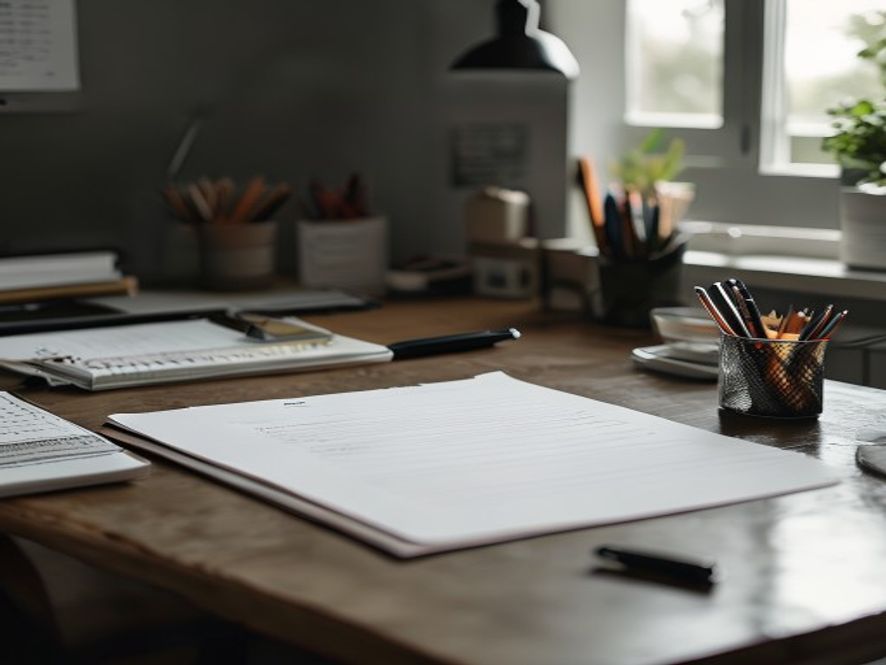
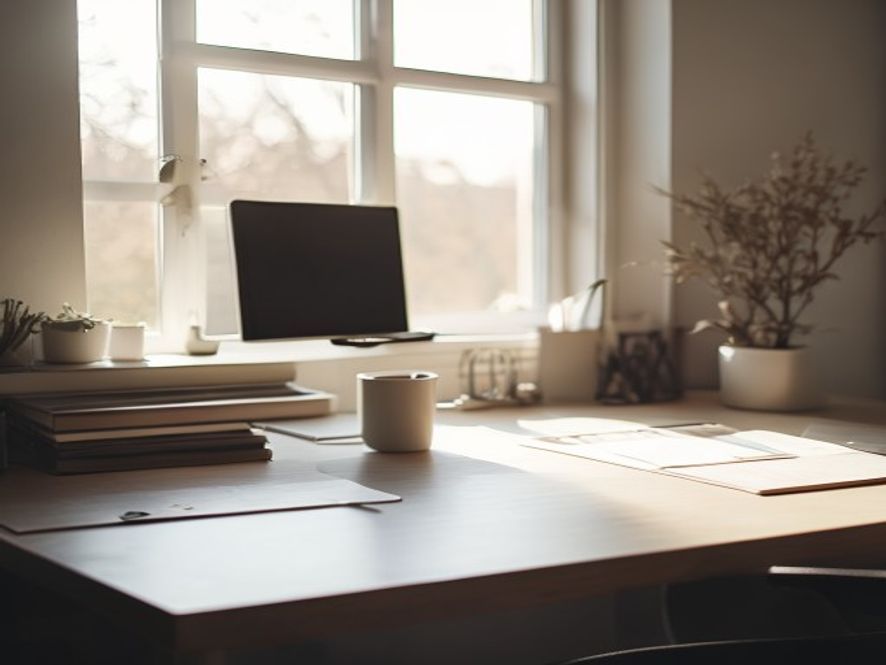
The easiest way to change behaviour isn't to rely on motivation—it's to change your environment. When your space supports your habit, you don't need willpower.
Examples: place your workout clothes on your bed the night before; clear your desk of distractions; keep a water bottle visible at your workspace.
This principle is at the heart of every habit system we design in coaching.
We don't use generic habit templates. Every client's system is built on their unique context—their work patterns, preferences, and obstacles.
Link new routines to existing daily actions. This makes adoption easier and faster.
Measure progress with clarity. Visual tracking helps identify patterns and fine-tune your systems.
Regular check-ins with our coaching team keep you on track, adjust systems when needed, and celebrate wins. Support is the difference between solo attempts and sustained change.
Understanding how long habits take to solidify helps you set realistic expectations.
| Phase | Duration | What's Happening |
|---|---|---|
| Initiation | Week 1–2 | High motivation, novelty, frequent conscious effort. System feels new and requires active thought. |
| Building | Week 3–6 | Motivation begins to dip. Consistency becomes key. Your environment and triggers are doing the work now. |
| Automation | Week 7–10 | The routine starts to feel automatic. You need less conscious effort. Momentum builds. |
| Integration | Week 11+ | The habit is part of your daily rhythm. Falling out of routine feels odd. Sustained change is here. |

Old thinking: "I'll use willpower and motivation to change my habits."
New thinking: "I'll design my environment and systems so the habits are easy and automatic."
This shift is transformative. Once you stop relying on willpower and start building systems, consistency becomes effortless.
Our coaching is designed to help you understand your habits and design systems that stick.
Start Your Coaching Journey